

Cervical Screening
Cervical screening is not a test for cancer. It is a test to help prevent cervical cancer.
The screening looks for certain types of human papillomavirus (HPV). HPV is a very common virus that most people will have at some point in their lives. In most people, HPV causes no symptoms and goes away on its own. However, some types of HPV can cause changes to the cells of the cervix, which may develop into cervical cancer if left untreated.
Finding HPV and treating any abnormal cell changes early helps prevent cervical cancer from developing.
Cervical Screening is for women and people with a cervix:
- Aged 25 to 64
- Every 5 years
What is Cervical Screening?
Cervical screening is a simple test that checks for high-risk HPV. If HPV is found, the sample is checked for changes to the cells of your cervix. Most people receive a normal result and don’t need any further tests.
What happens?
You’ll receive your invitation
If you’re eligible, you’ll receive an invitation from the NHS when it’s time for your screening.
Attend your appointment
Your screening is usually carried out by a female nurse or healthcare professional. You can request a female member of staff, bring someone with you for support and stop the appointment at any time if you choose. The appointment usually takes around 10 minutes.
Get your results
You’ll usually receive your results by letter, or through the NHS App if you’ve chosen to receive them digitally, within around 2 weeks. If further tests are needed, you’ll be contacted and supported through the next steps.
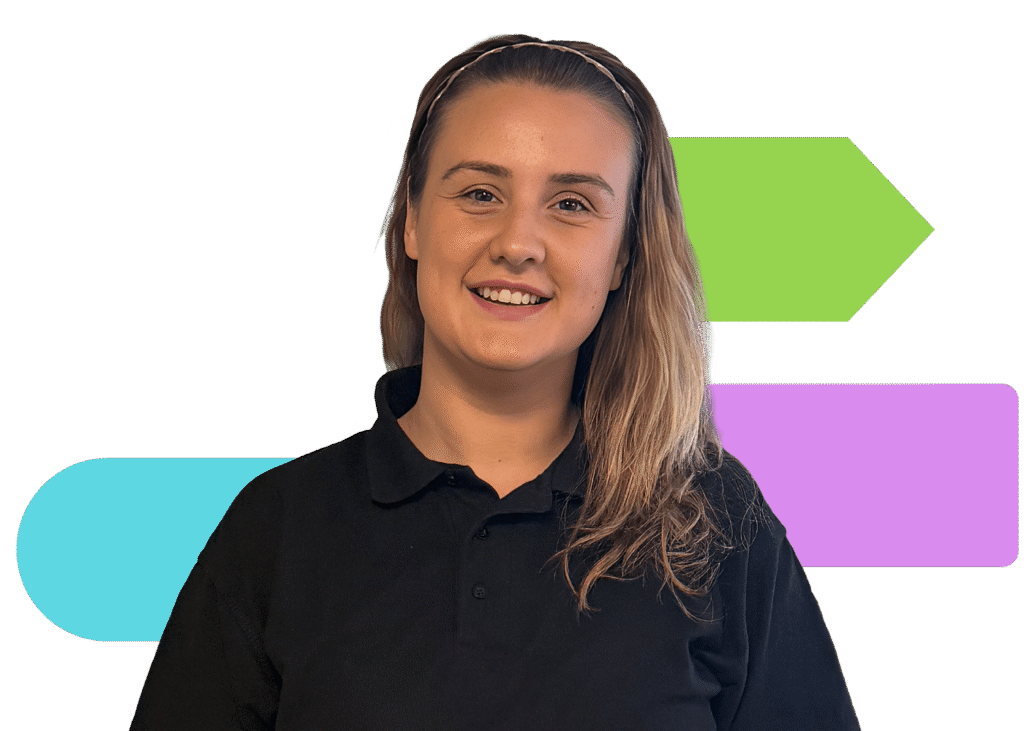
“It’s a quick and simple procedure and it gives me peace of mind about my health.”
 Becky
Top tips
Cervical screening is a quick and important test that helps prevent cervical cancer. These tips can help you feel more prepared and comfortable before and during your appointment.
Wear something you can leave on
Wearing a skirt or long jumper can help you feel more comfortable during the test.
Ask for a smaller speculum if you need one.
If you find the test uncomfortable, you can ask the nurse or doctor to use a smaller speculum.
Try breathing exercises to help you relax.
If you’re feeling nervous, breathing exercises may help you relax. You can ask the nurse or doctor about them.
Remember, you're in control.
You can ask questions, ask for adjustments to make you more comfortable, or ask to stop the test at any time.
Bring someone with you for support
You can bring someone with you to your appointment if this would help you feel more comfortable.
Useful Links
Find out more about cervical screening, HPV and cervical cancer using these trusted resources.